Brow Shaping: How to Get Defined Brows That Still Look Like You
Brow shaping means editing the brows you already have to suit your face, not drawing on a pair you saw on Pinterest. Here is how it works, which technique to pick, and how to tell a good result from a six-week regret.
Brow shaping is the process of refining your natural eyebrows into a defined, balanced shape that suits your face. A professional maps where the brow should start, peak and end, then removes the stray hairs outside that line by threading, tweezing or waxing. It tidies and frames the brows you already have rather than drawing on new ones.
Done well, nobody can tell you did anything. You just look expensive, well rested and quietly smug, whether or not any of that is earned.
It is also the treatment people are most tempted to DIY at 11pm, armed with drugstore tweezers, a magnifying mirror and the confidence of someone who has watched three tutorials. That story never ends well. So before you commit an act of home surgery, here is how brow shaping actually works, which method to pick, and how to tell a great result from a six-week apology to your own reflection.
What is brow shaping?
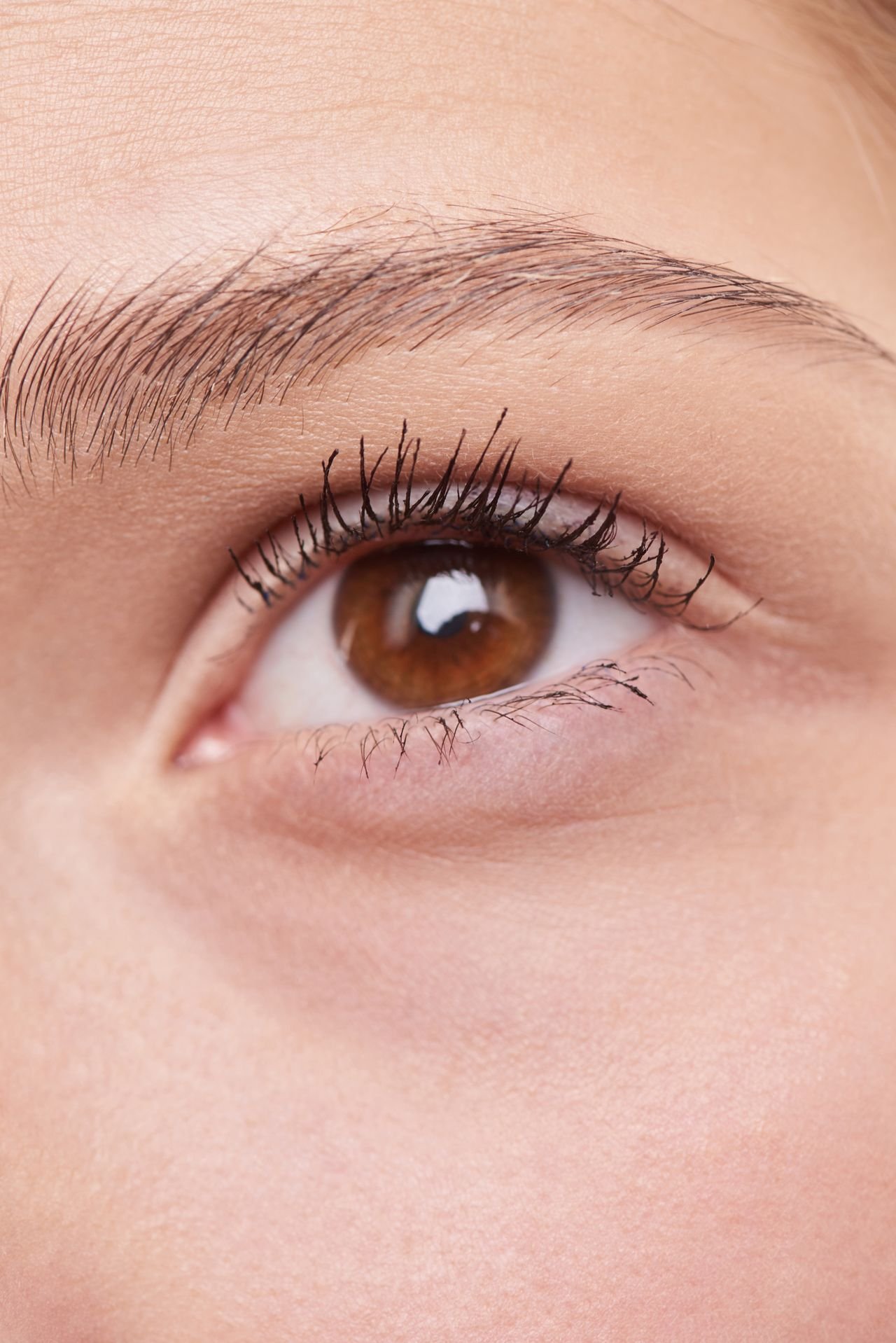
Brow shaping decides three things: where your brow starts, where it peaks, and where it ends. Everything outside that line is politely evicted. It is editing, not drawing, and we are working with the brow you already own rather than designing a replacement pair from scratch. Your eyebrow sits on a little ridge of bone that frames the eye, and good shaping follows that ridge instead of picking a fight with it.
It is also not the same as a quick brow wax. A wax just clears the strays below your existing shape; shaping is the bigger decision about what that shape should be in the first place. The payoff when it is right is genuine: a brow that frames the eyes, lifts the face, and makes sparse or ageing brows read fuller and more youthful without a scrap of makeup.
Shaping is about structure, not colour. Tinting darkens the hair, threading and friends take hair away, and lamination bullies every hair into lying the same direction like a tiny, obedient hedge. Shaping is the part that draws the outline everything else colours inside. Get the outline wrong and no tint on earth is coming to the rescue.
The main brow shaping techniques
There is no single best method, no matter how confidently a fifteen-second video told you otherwise. The right one depends on your skin, your hair, and how much regrowth you are wrestling with. Here is what we actually reach for:
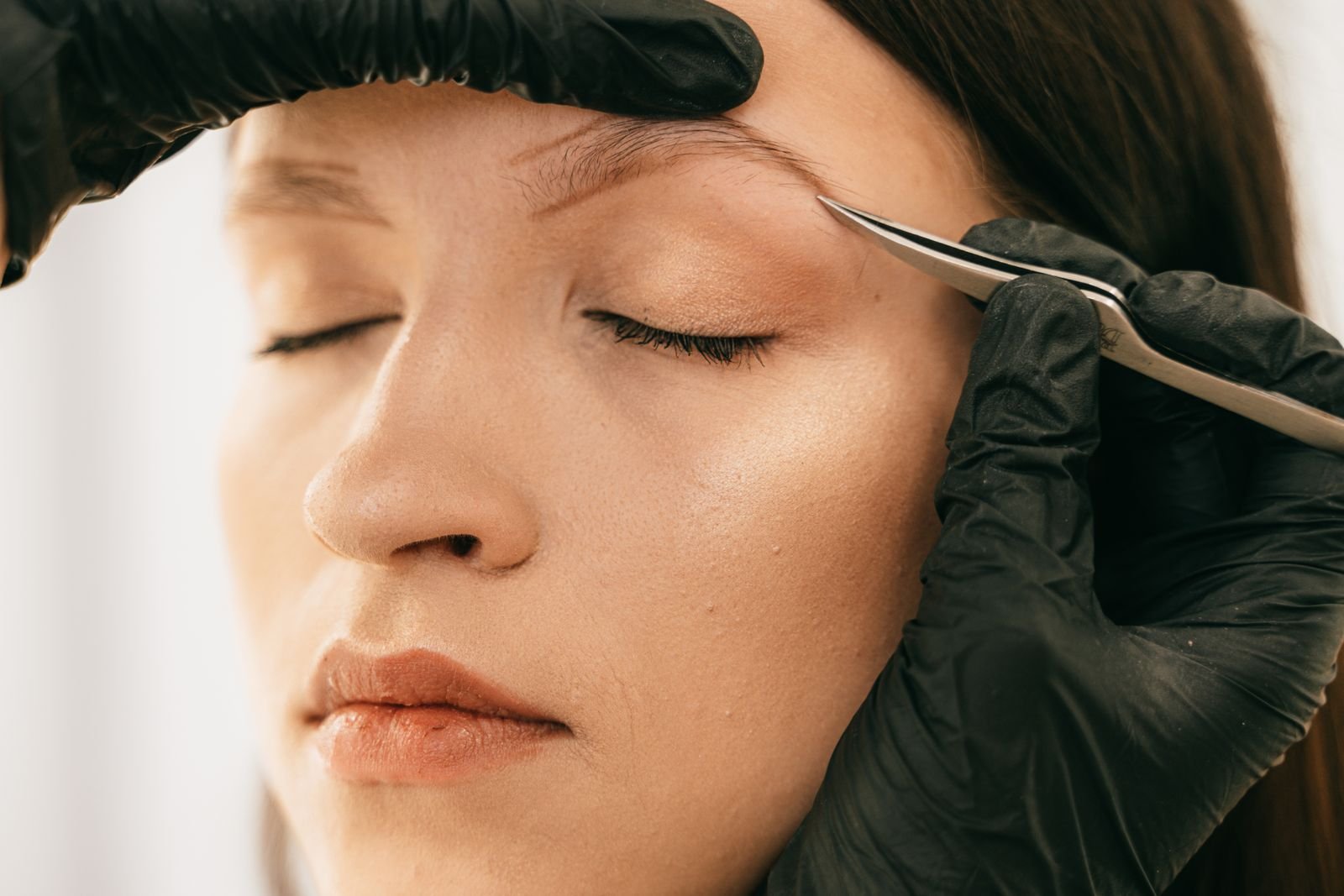
- Threading — a twisted cotton thread that whips hair out at the root faster than you can flinch. Precise, quick, and gentler than it sounds. Yes, it makes a little zipping noise right by your face. No, that noise is doing far more emotional damage than the thread is. Book it as brow threading.
- Tweezing — one hair at a time, essentially brow whack-a-mole. Slow and weirdly satisfying, and unbeatable for detail near the arch or the lone rogue hair that shows up overnight from nowhere.
- Waxing — fast over larger areas, but rough on the delicate skin around the eye. We skip it on sensitive skin, and the American Academy of Dermatology agrees the skin up there sulks easily.
- Trimming — snipping the long overachiever hairs so the brow lies flat. A supporting act to lamination, never the headliner.
- Razoring — a fine blade skims off surface fuzz and softens edges. Painless and fast, but it only cuts hair at skin level, so it grows back quickest of all. Good for peach fuzz, not for real reshaping.
What happens in a brow shaping appointment
A proper brow shaping is less a quick tidy and more a short, calm process. Here is roughly how yours goes:
- Consultation — we talk through what you want, what you have, and what your face will actually support. Bring reference photos if you like, and we will be honest about which of them live in reality.
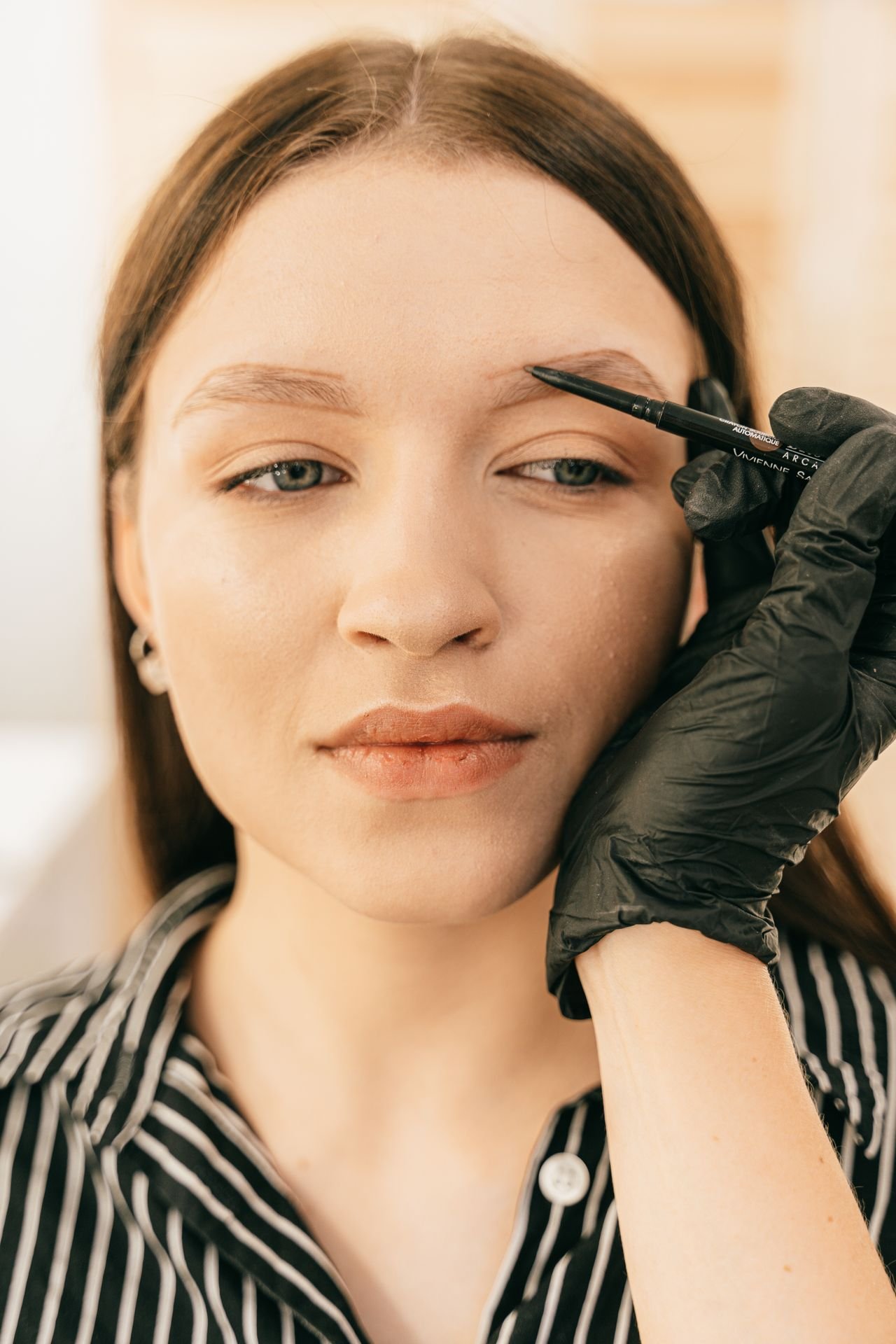
- Mapping — we measure and pencil in where the brow should start, peak and end, then show you before a single hair moves.
- Removal — threading, tweezing or waxing to clear everything outside the shape you approved.
- Trim and tidy — long hairs trimmed down so the brow lies flat and even.
- Tint or fill (optional) — a wash of colour or a soft fill to even out the tone and show off the new line.
- Aftercare — you leave knowing exactly what to avoid for the next day so the skin settles cleanly.
How to know the right brow shape for your face
The honest answer: there is no universal perfect brow, and the face-shape charts online are a loose guide at best. The reliable method is proportion, not a personality quiz. Three points do most of the work: where the brow should begin (roughly in line with the side of your nose), where it should peak (about two thirds of the way out, near the outer edge of the iris), and where the tail should clock off (on a diagonal from your nostril past the outer corner of your eye).
From there we adjust to your features, not to whoever is on your For You page this week. A rounder face tends to suit a touch more arch; a longer face suits a flatter, more horizontal brow that does not add height. But the shape always has to agree with your bone structure, which is why we map it and get your approval before a single hair is harmed. More on why we are so obsessive about the plan on our about page.
What good brow shaping looks like
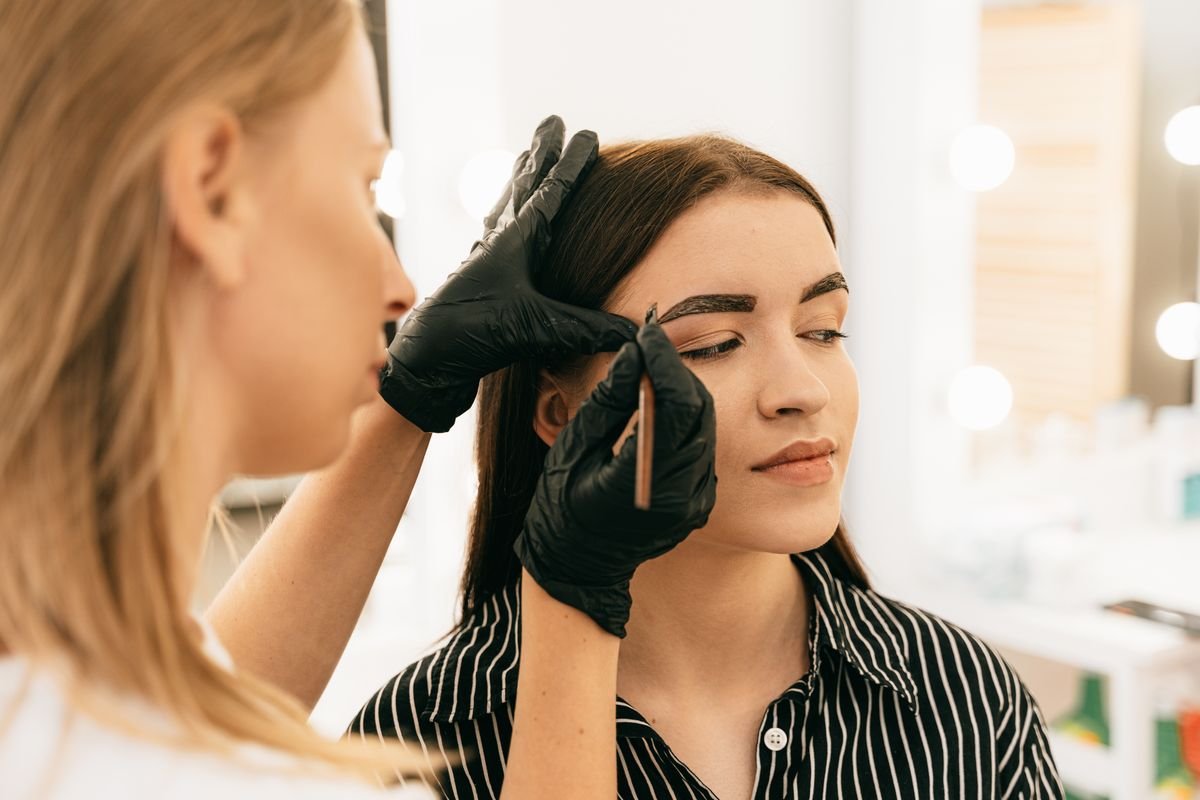
Time for the one strong opinion in this article: if a stranger can tell your brows were done, they were done too hard. Good shaping keeps most of your hair, follows the line your brow was already going for, and leaves the soft fullness that reads as youthful rather than permanently startled.
It should also leave your two brows looking like siblings, not clones. Brows are sisters, not twins, and not always sisters who are currently speaking. Faces are not symmetrical, and forcing a flawless mirror image usually looks more artificial than the tiny difference it was trying to erase.
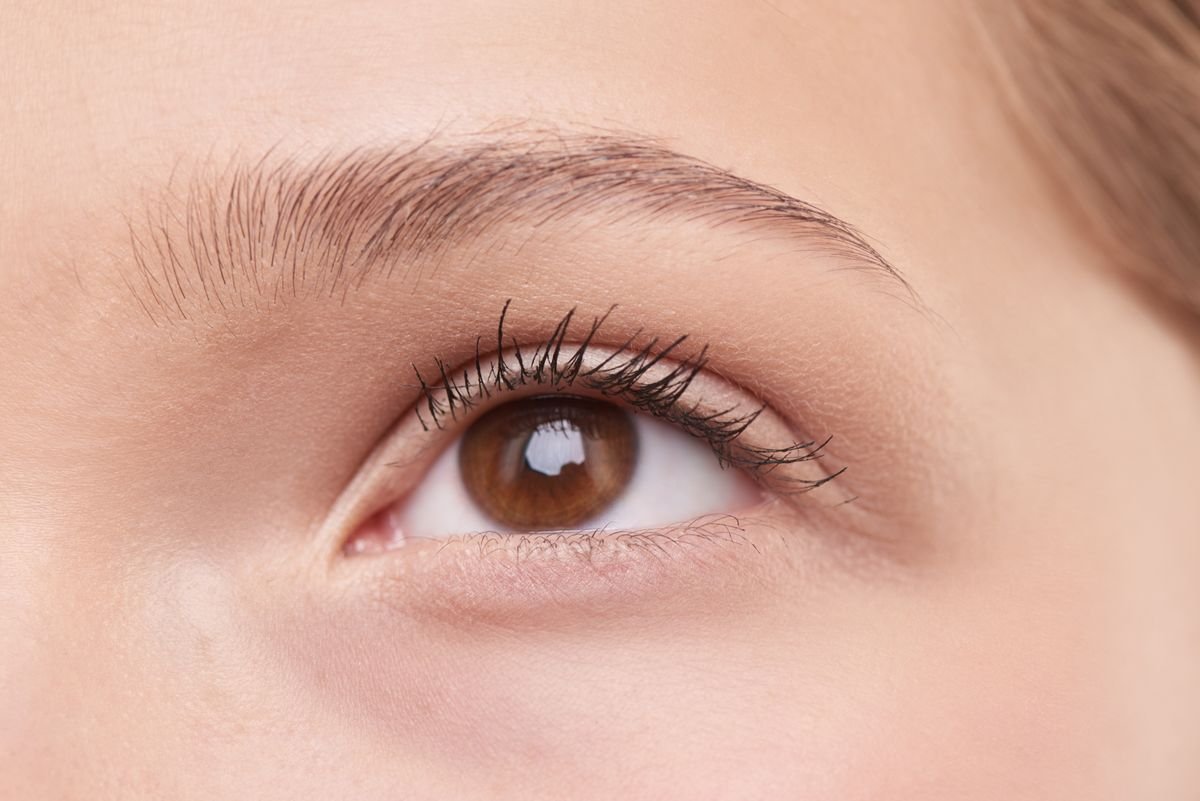
Brow shaping before and after: what to expect
Straight after, expect a little pink around the follicles. It settles within an hour or two, sooner if you can resist troweling on makeup and then booking a hot yoga class. The payoff is instant: a cleaner line and an eye that looks considerably more awake than the rest of you.
What shaping cannot do is grow hair. If your brows are genuinely sparse, tidying them will not conjure more, and that is where colour or something semi-permanent steps in. A powder brow adds soft density, and nanoblading draws in hairs convincing enough to hold up at kissing distance. Shaping builds the frame; those fill in the portrait. Receipts are in our gallery.
The big difference between them is permanence. Unlike a brow tattoo you are committed to for a year or two, a shape grows out in weeks. That is a feature, not a flaw, when trends and faces both keep moving. Shaping lets you change your mind; tattooing asks you to be very sure.
Can you shape your brows at home?
You can, in the same way you can also cut your own fringe. It is technically possible and occasionally turns out fine. The catch is that you see your brows straight on, up close, in a mirror, usually in a mood, and it is almost impossible to judge symmetry and proportion on your own face. Most of the over-plucked brows we meet were removed one entirely reasonable-seeming hair at a time.
If you are keeping up a shape a professional already gave you, tweeze only the obvious strays well below the brow and step away from anything near the line. Creating a shape from scratch is the part worth leaving to someone looking at your whole face, rather than the six square centimetres your magnifying mirror is showing you.
How long it lasts, aftercare and growing a shape back
For the first day, keep it simple: no heavy makeup on the area, no sweaty workouts, saunas or sunbeds, and a little SPF if you are heading outside. The skin around the brow calms down fast if you leave it alone.
A shape then holds until your hair grows back, usually two to four weeks depending on how motivated your brows are feeling, and most clients rebook every three to four weeks to keep the line sharp. Between visits your one job is restraint: the greatest threat to a good brow is not genetics, it is you, a magnifying mirror and ten unsupervised minutes.
And if you are growing out an old over-plucked shape, the job is mostly patience. Leave the tweezers in the drawer for eight to twelve weeks, and a brow serum or plain castor oil can help the gaps fill while you wait. It is dull, but it beats every quick fix on the market.
When brow shaping is not for you
If your brows were plucked to within an inch of their life sometime in the early 2000s, shaping is not your answer yet. As above, the hair has to grow back before there is anything to shape, and we will cheerfully send you home to wait rather than charge you to arrange three surviving hairs into a brow.
And if you already like your brows, do not let anyone talk you out of them. The best brow shaping is often the least. If yours are working, that is not a problem to solve. That is a personality trait to keep. Off you pop.
Frequently asked questions
- What is brow shaping?
- Brow shaping is refining your natural brows by removing stray hairs and defining a shape that suits your face. It sets the outline of the brow; it does not add colour or hair.
- What is the difference between a brow wax and brow shaping?
- A brow wax simply clears the stray hairs below your current shape. Brow shaping is the bigger decision: mapping and creating the shape itself to suit your face, usually with a mix of threading, tweezing and waxing. Shaping includes the tidy-up, but a wax on its own does not decide the shape.
- How do you know which brow shape suits your face?
- It comes down to proportion, not a face-shape chart. As a rule the brow should begin in line with the side of your nose, peak about two thirds of the way out, and end on a diagonal from your nostril past the outer corner of your eye. From there a good artist adjusts to your features. There is no single perfect brow that works on everyone.
- Does brow shaping hurt?
- You will feel a quick sting as hairs come out, especially near the sensitive inner corner. It is over in seconds and any redness usually settles within an hour or two. Honestly, the anticipation does most of the suffering.
- How long does brow shaping last?
- A shape lasts until your hair grows back, typically two to four weeks. Most clients rebook every three to four weeks to keep the line defined.
- Is threading or waxing better for brow shaping?
- We prefer threading for shaping: more control, hair by hair, and kinder to the thin skin around the eye. Waxing is quicker but more likely to leave sensitive skin red and faintly outraged.
- Do your eyebrows need to be identical?
- No. Brows are sisters, not twins. Faces are not symmetrical, and forcing a perfect mirror image usually looks more artificial than the small natural difference between them. The aim is balanced, not identical.
- How much does brow shaping cost at Sol Lux Beauty?
- Brow threading starts at $40. The final price depends on the treatment and whether you add tint or lamination, so we confirm it at your consultation. No mystery charges, no wincing at the till.